
What does a product analyst do?
A product analyst turns behavioral data into decisions that improve growth, retention and experience. The role sounds strategic; most of the day-to-day work is hands-on.


What is a product analyst?
A product analyst helps teams understand how users interact with a product, and turns that data into decisions that improve growth, retention and user experience. They sit at the intersection of product, data and business strategy. Instead of guessing what users want, product analysts rely on behavioral data to guide decisions.
What the work actually is
While the role sounds strategic, most of the day-to-day is hands-on: analyzing user behavior, building and interpreting funnels, measuring retention and churn, identifying drop-off points, running and evaluating experiments. All of it depends on having reliable product analytics and event tracking in place.
Key responsibilities
Understanding user behavior
Where do users drop off? What actions lead to conversion? Which features are actually used? Answering these requires tracking events across the user journey, not just page views.
Funnel and conversion analysis
Step-by-step journeys: signup to onboarding to activation, or feature discovery to usage to retention. By identifying friction points, analysts help improve conversion rates.
Retention and churn analysis
Understanding why users come back, or do not, is critical: cohort retention, frequency of usage, long-term engagement patterns. This helps teams focus on building products people return to.
Experimentation and A/B testing
Validating ideas through experiments on feature changes, onboarding flows, pricing or messaging. The goal is to replace opinions with data-backed decisions.
A typical workflow
- Define a question, for example: why are users dropping off?
- Collect data through event tracking and user flows
- Analyze patterns with funnels, cohorts and segmentation
- Form hypotheses
- Run experiments
- Iterate
This entire workflow depends on data that is accurate, accessible and well structured.
The tools
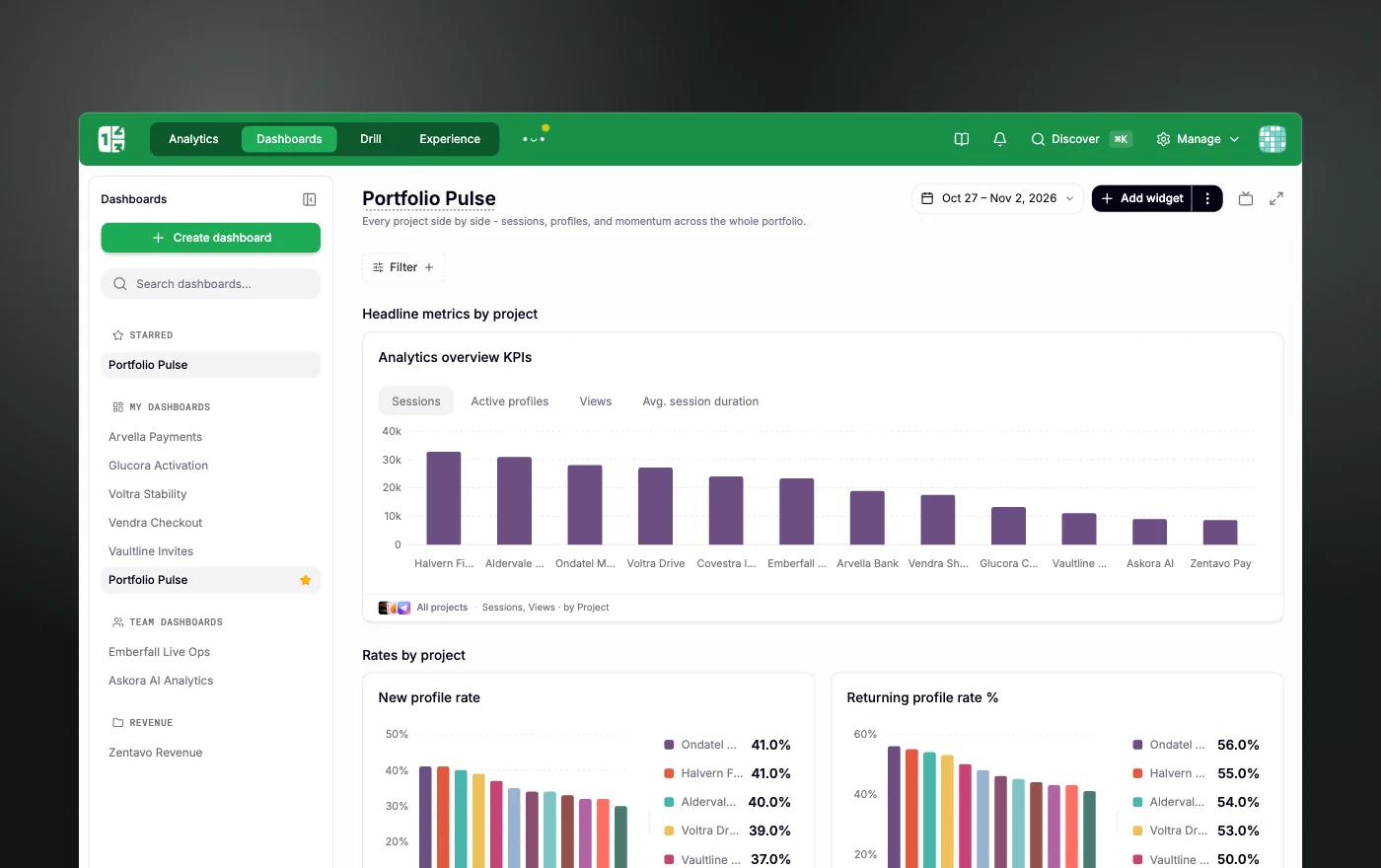
Product analytics tools track behavior and interactions: feature usage, user journeys, retention patterns. Experimentation tools handle A/B testing and hypothesis validation. Visualization tools help communicate insight to stakeholders. In many teams a product analytics platform is central to the whole workflow, because it combines event tracking, user analytics and reporting in one place.
Challenges
- Data scattered across multiple tools
- Incomplete or inconsistent tracking
- Lack of visibility into user journeys
- Privacy and compliance constraints
- Limited control over data
- Choosing the right analytics stack
These issues slow analysis down and make insight harder to trust.
Skills the role needs
- Analytical: data interpretation and statistical thinking
- Technical: SQL, often, and fluency in analytics tools
- Product thinking: understanding behavior and spotting opportunities to improve
- Communication: translating data into clear insight
How to become one
Typical paths include transitioning from a data analyst or marketing role, starting in a junior analytics role, or learning through hands-on projects. The most important thing is practical experience working with product data.